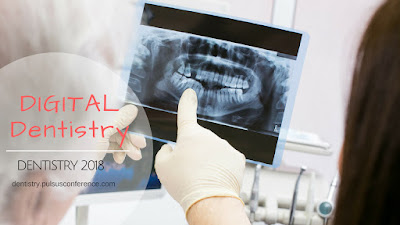
Radio graphs (X-rays) are necessary for the evaluation and diagnosis of many oral conditions and diseases. Dentists use radiographs for many reasons: to find hidden dental structures, malignant or benign masses, bone loss, and cavities. They are diagnostic, but they can also be preventative, by helping a dentist diagnose potential oral care issues in a patient’s mouth before they become a major problem. An x-ray is a type of energy that passes through soft tissues and is absorbed by dense tissue. Teeth and bone are very dense, so they absorb X-rays, while X-rays pass more easily through gums and cheeks.X-rays are divided into two main categories, intraoral and extraoral. Intraoral is an X-ray that is taken inside the mouth. An extraoral X-ray is taken outside of the mouth. Intraoral X-rays are the most common type of radiograph taken in dentistry. The benefits of X-rays are well known: They help dentists diagnose common problems, such as cavities, gum dise...



Such an informative overview of dental procedures and patient comfort! Integrating anesthesia billing services efficiently ensures smooth practice management and accurate claims. The insights shared here truly highlight the importance of safe and effective dental anesthesia.
ReplyDelete